
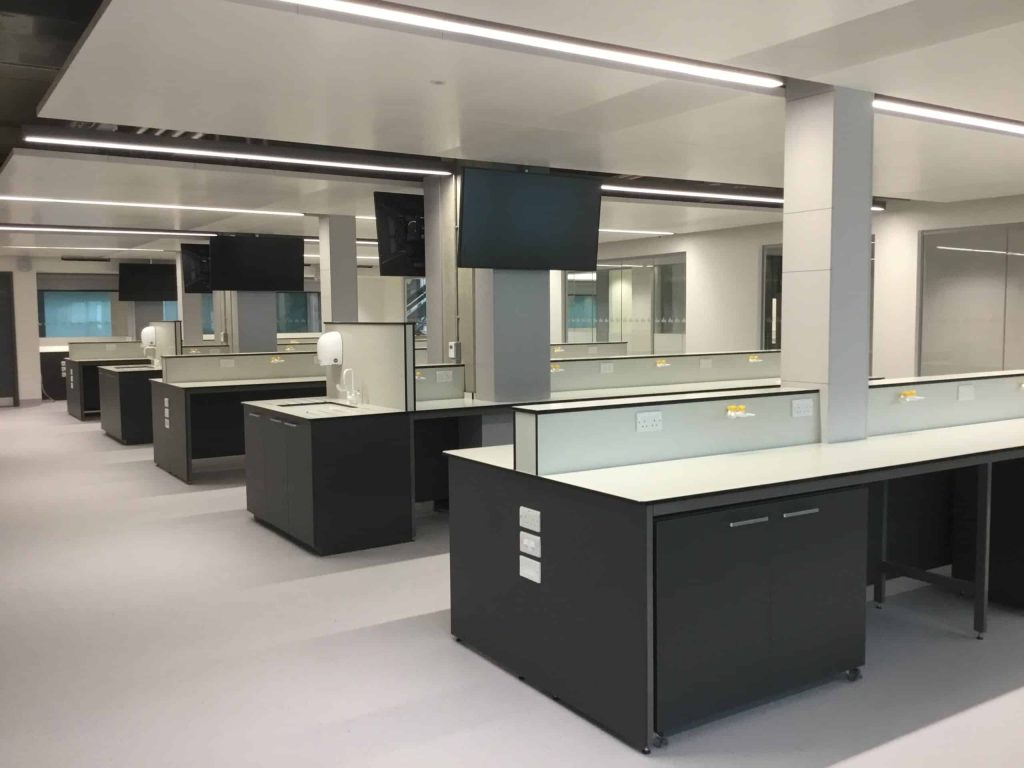
A university laboratory must meet the needs of many different people.
Estates teams may oversee the project and budget, while academics understand the research or teaching taking place. Laboratory managers and technical staff know how the space needs to work every day. Architects, consultants and contractors then need to turn those requirements into a practical and deliverable laboratory.
Problems can arise when these groups are brought into the conversation at different stages or when the people who will use the laboratory are only consulted after key decisions have already been made.
By involving the right people early, universities can develop a clearer brief, identify technical requirements sooner and make better-informed decisions about their laboratory project before the layout is fixed.So, who should be involved and what does each person bring to the planning process?
Estates and Capital Projects Teams

Estates and capital projects teams are often responsible for turning the initial requirement into an approved and deliverable project.
They need to consider the available space, budget, programme and how the laboratory will fit within the wider university estate. They may also manage procurement and coordinate the different stakeholders involved.
However, the initial brief should not be developed around the building alone. It also needs to reflect how the laboratory will be used, the equipment it must support and the services required for it to operate safely.
Bringing a laboratory specialist into these early discussions can help the estates team test what is achievable before key decisions are made.
Academics and Research Leaders
Academics and research leaders understand what the laboratory needs to help people achieve.
They can explain the type of research or teaching that will take place, how teams are expected to work and whether those requirements may change over time. Their input helps ensure that the laboratory supports its intended purpose rather than simply fitting the available room.
They may also be able to identify future research plans, new technology or changes in student numbers that could affect the space.
Including these conversations early helps the project team plan a laboratory that supports both current work and future development.
Laboratory Managers and Technical Staff

Laboratory managers and technical staff understand how the space needs to work from day to day.
They know how people move through the laboratory, where equipment is used and stored and which activities need to be kept separate. They can also identify practical requirements that may not be clear from an initial plan, including access for maintenance, storage capacity and the safe movement of materials.
Their experience can highlight potential problems before they become part of the finished layout.
Involving them early helps ensure that the laboratory is practical to manage and works properly for the people using it every day.
Health and Safety and Compliance Teams
Health and safety and compliance teams help establish the requirements that must be considered before the laboratory design is developed too far.
The nature of the work may affect containment, ventilation, access controls, emergency arrangements and how hazardous materials are handled or stored. These requirements can influence the layout as well as the technical services needed throughout the space.
If they are identified too late, the project team may need to revise layouts or specifications that have already been agreed.
Early input helps ensure that safety and compliance are built into the laboratory from the beginning rather than added later.
Architects, Consultants and Contractors
Architects, consultants and contractors are responsible for turning the laboratory requirements into a coordinated and buildable project.
They need clear information about the people using the space, the equipment being installed and the technical services required. Without this detail, important decisions may be based on assumptions that only become apparent later.
Working with a laboratory specialist gives the wider project team access to practical laboratory knowledge during design and specification, including support with BIM laboratory design and technical coordination.The aim is not to replace the existing project team, but to provide the specialist input needed to support it.
A Specialist Laboratory Partner
A laboratory specialist helps bring the different requirements together before they become fixed decisions.
This means asking the right questions about workflows, equipment, services and future needs. It also means helping the project team understand how each decision may affect the layout, specification and delivery of the laboratory.
At InterFocus, this process begins with listening to the people involved and understanding what the laboratory needs to achieve. That information can then be translated into a coordinated plan, supported by a complete laboratory design and build service where required.The earlier this specialist input begins, the more opportunity there is to resolve challenges before they affect the programme or budget.
Bringing Everyone Together Early
Involving the right people is only useful when their input is gathered and coordinated at the right time.
Different stakeholders may have competing priorities. Estates teams need to manage the budget and programme, while laboratory users are focused on how the space will support their work. The project team then needs enough accurate information to develop a practical design.
A clear briefing process gives everyone an opportunity to raise requirements before the layout and specification are fixed. It also creates a shared understanding of what the laboratory needs to achieve.
InterFocus has worked with universities and their wider project teams on laboratories supporting teaching and research. The University of Bedfordshire STEM Building is one example of how specialist laboratories, engineering workshops and technical teaching spaces were developed around the needs of different disciplines.
This helps reduce assumptions, avoid late changes and gives the project a stronger foundation from the start.
Planning a University Laboratory Project?
The best laboratory briefs are shaped by the people who understand the building, the work taking place and the practical demands of the project.
InterFocus works with university teams and project partners from the early planning stages through to design, manufacture and installation. By bringing specialist laboratory knowledge into the conversation early, we help teams make informed decisions and develop laboratories that work for the people using them.
If you are planning a new university laboratory or reviewing an existing space, speak to the InterFocus team about your project.


